Babel: The Fall of Men
Some stories survive across centuries because they reveal more about us than we want to admit. The tale of the Tower of Babel is often dismissed as a simple myth about language — but in truth, it's a profound reflection on human pride, power, and the collapse of collective meaning.
What if this story were adapted into a serious, high-budget historical drama — not as fantasy, but with realism, accuracy, and emotional weight? A film in the style of The Passion of the Christ or Silence, where the tension doesn’t come from spectacle, but from the slow unraveling of human ambition.
That’s the proposal: Babel: The Fall of Men — a film not about divine punishment, but about how a civilization destroyed itself from the inside out.
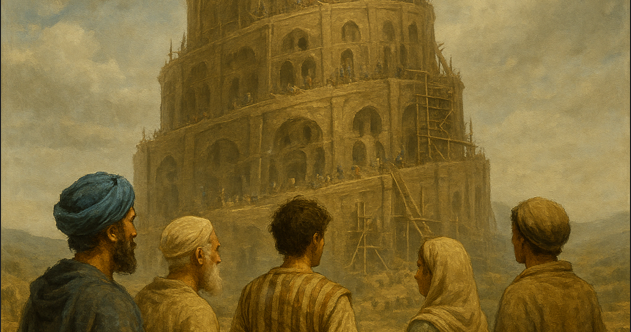
The premise
Set in a fictional ancient city inspired by Mesopotamian cultures, the film follows a powerful empire that has united multiple peoples under a single language and a single ruler. The society is growing — technologically, militarily, culturally. And now, it begins its greatest undertaking: a tower that will rise beyond the clouds.
The official message is unity, vision, and progress. But underneath the polished speeches lies something else: control, ego, and blind ambition.
Characters
Akkai, the main character, is a visionary architect. He believes in structure, logic, and legacy. To him, the tower is a path to immortality — a way to give meaning to human effort. But as the project grows, he begins to see that he's been building a monument to tyranny, not unity.
Samira, a priestess whose spiritual influence has waned under the king’s rule, openly warns that the tower is an act of arrogance, not glory. She represents faith that resists domination.
Enlil, the ruling sovereign, is charismatic and dangerous. For him, the tower is not about God — it’s about control. A way to ensure that no one can question the state's authority.
Naram, a linguist and record keeper, starts to observe strange shifts in the common language. Workers begin to misinterpret commands. Meanings drift. His warnings are ignored, dismissed as superstition — until it’s too late.
Development and internal conflict
As the tower climbs higher, life below becomes unbearable. Laborers are worked to death. Dissent is crushed. The elite celebrate. The base begins to collapse — physically and socially.
Akkai becomes torn between completing the dream he once believed in and dismantling the symbol that now threatens everything around him. When Samira disappears after publicly condemning the project, he begins to question everything.
Meanwhile, Naram’s research shows alarming data: the empire's unified language is breaking down. Syntax, grammar, dialects — all shifting, separating. The people, once united, no longer understand each other. Chaos begins to spread — not with fire, but with miscommunication.
The fall
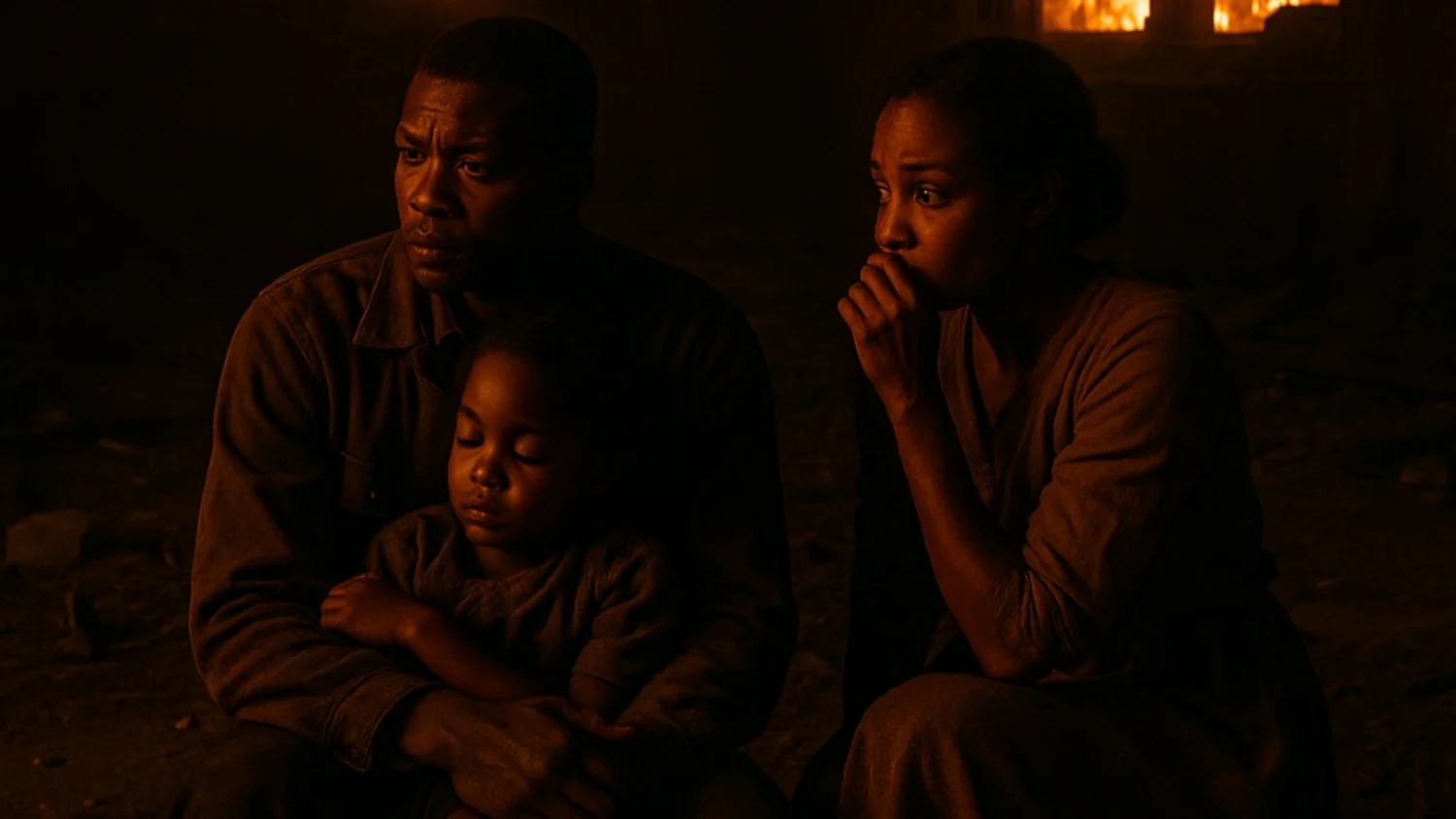
The collapse of the tower is not a divine punishment — it is a human failure. Misread instructions lead to accidents. Workers turn against each other over mistranslations. Orders become meaningless. Loyalty fractures. Fear takes hold.
In the final act, Enlil demands the tower be completed at all costs. Akkai tries to evacuate. Naram documents everything, knowing no one will understand it anymore. The city breaks apart not through war or flood, but through the silent, unstoppable loss of shared meaning.
Artistic approach
The film would use natural light, original languages (Sumerian, Akkadian-inspired), practical sets, and a visceral emotional tone. It would avoid CGI-heavy excess and focus on human expressions, philosophical tension, and spiritual ambiguity.
This would not be a religious film, nor a fantasy. It would be a mirror — of power, pride, and the consequences of pushing too far without listening.
Would you want to watch a film like this — one that retells the Tower of Babel with realism, depth, and a focus on how human decisions, not divine wrath, led to collapse?
MARKED AS: Movie


COMMENTS
Want to join the conversation? Log in to leave a comment.