Cassandra: The Quiet Horror That Took Everyone by Surprise
Not every series needs a huge marketing campaign to make an impact. Cassandra arrived on Netflix almost unnoticed — but quickly proved itself to be one of the most creative and quietly disturbing miniseries of recent years.
To be honest, I didn’t expect much. But after the first episode, I knew: this was something different. Carefully constructed visuals, a haunting soundtrack, intelligent pacing, and — most of all — a sense of dread that doesn't rely on jump scares, but on atmosphere and suggestion.
Horror in the silence
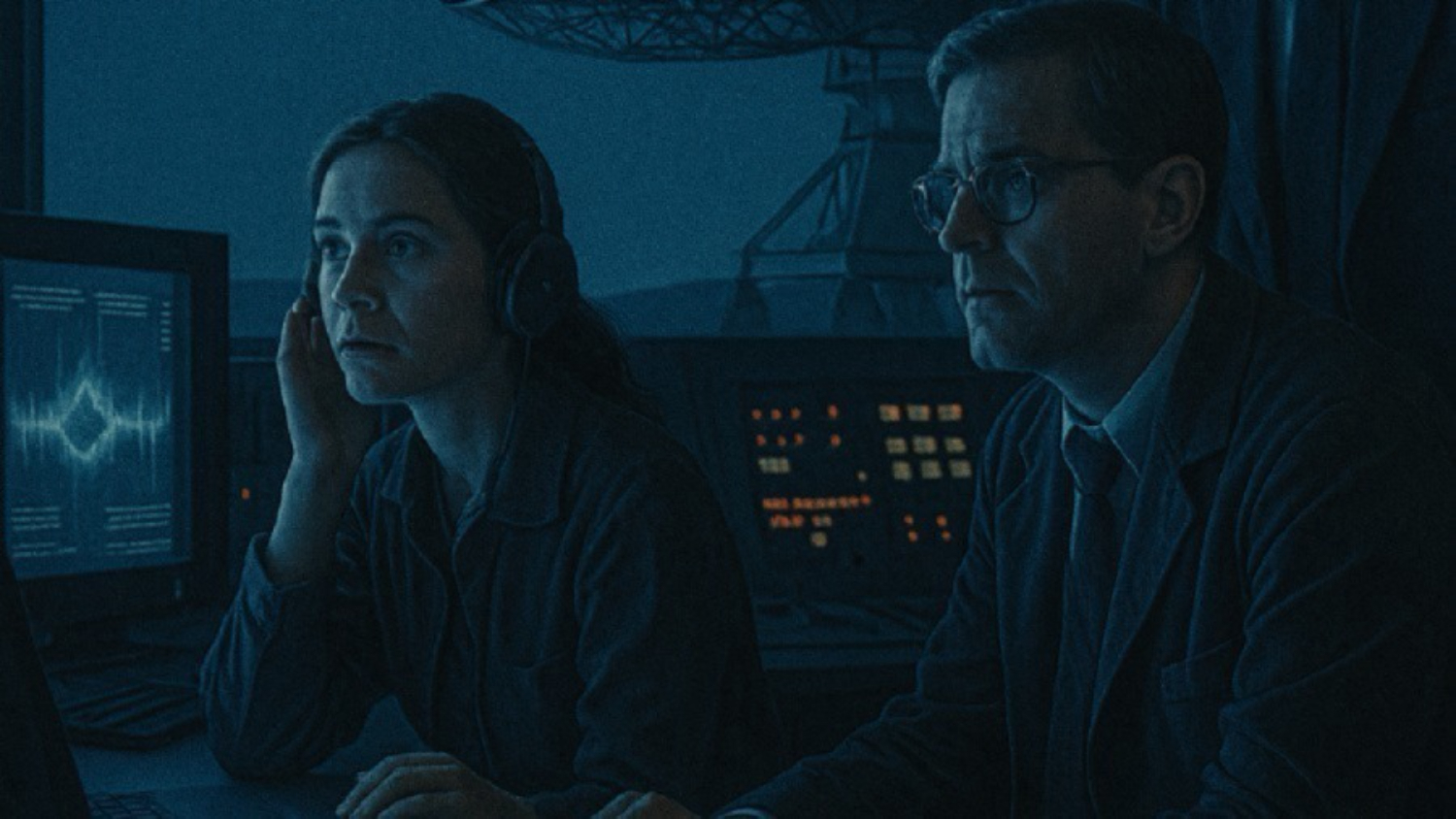
What Cassandra does so well is build a feeling. The tension grows not from action, but from tone: the cold, sterile environments, the subdued lighting, the lingering shots that last just long enough to unsettle you.
The unease is constant. You don’t always know why — but you know it’s there.
Cassandra: not a monster, but a presence
Some viewers felt the central entity — Cassandra — was too fragile to be threatening. She doesn’t look dangerous. She doesn’t move violently. She doesn’t “attack.”
But that’s the point.
Cassandra is not a creature — she’s a concept. She influences, distorts, seduces. The horror doesn’t come from what she does — but from what people do under her influence.
She represents what we fear about ourselves: blind belief in technology, surrender of control, loss of personal judgment. She doesn’t force — she erodes.
A masterclass in subtlety
At a time when most shows are loud and packed with action, Cassandra chooses stillness, silence, and psychological pressure.
And it works. It gives the audience space. It builds dread through restraint — which is something few modern shows dare to do.
Strong writing, sharp visuals, and real direction
The story has a clear beginning and end. It doesn’t try to expand into spin-offs. It knows what it is — and that confidence pays off.
The soundtrack is minimal but incredibly effective. It adds discomfort, not direction. It keeps you uneasy, without telling you why.
Visually, the show leans into symmetry, cold colors, and clinical composition. It's as if you're seeing the world through a machine’s eyes — and that’s very intentional.
And you? What did you think of Cassandra?
MARKED AS: Tv Show
COMMENTS
No comments yet.