Divided Voices: A Story That Deserves to Be Told
The Beginning: A Common Struggle for Equality
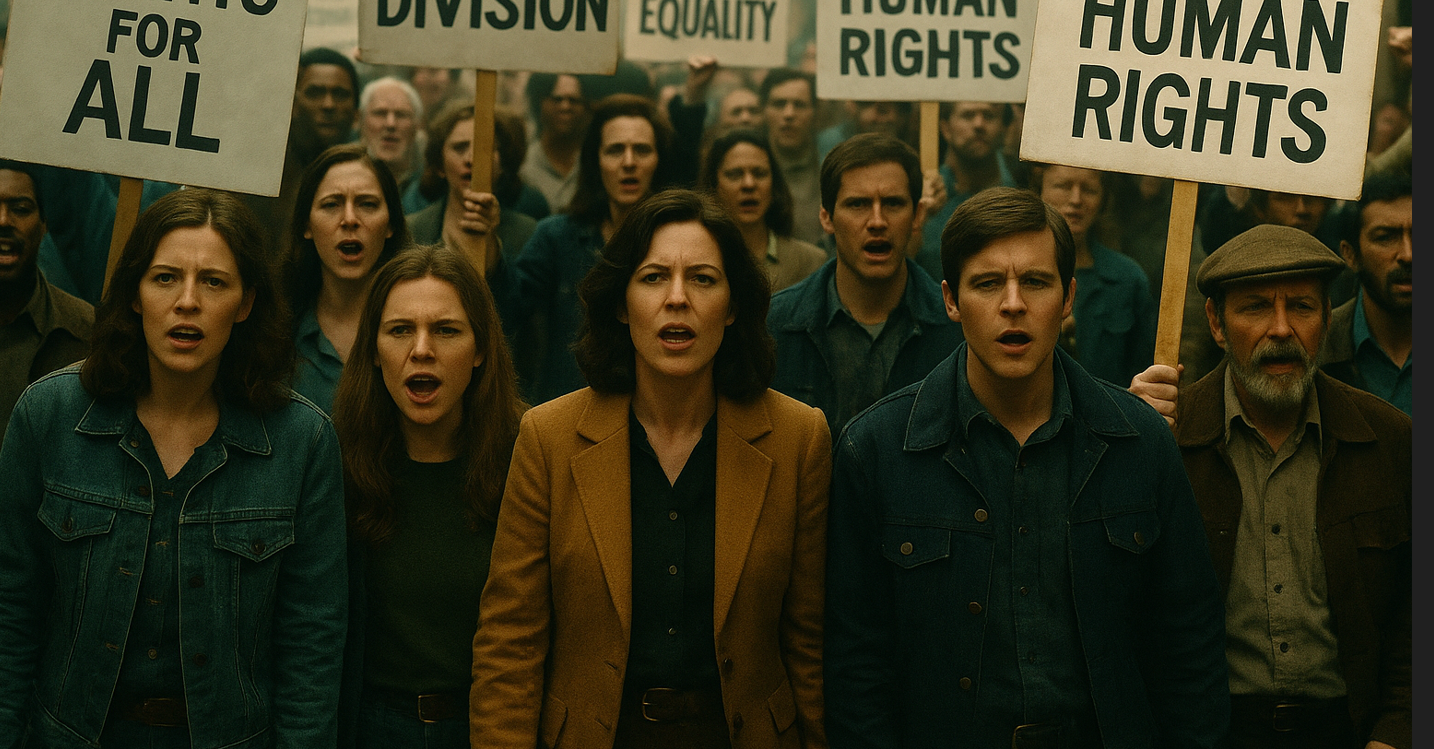
In the 1960s and 70s, during feminism’s second wave, women fought tirelessly for civil rights, reproductive freedom, workplace equality, and autonomy over their bodies. At the same time, some men began organizing around their own struggles: being pressured to provide, losing custody after divorce, suffering in silence through mental health issues.
For a brief and impactful moment, feminists and men’s rights activists stood together against rigid patriarchal norms that constrained both men and women. But that alliance eventually fractured.
Told Through Characters — Real and Inspired
The series could follow two fictionalized but grounded characters — one based on Warren Farrell, a former feminist who became a major voice for men’s issues, and the other inspired by Erin Pizzey, founder of the UK’s first domestic violence shelter who later acknowledged male victims of abuse.
They would navigate rallies, courtrooms, family struggles, and shifting ideologies, surrounded by historical figures like Christina Hoff Sommers and supported by organizations like NOW. The early episodes would capture a sense of shared momentum — an optimism that equality was for everyone.
From Unity to Division: The Turning Point
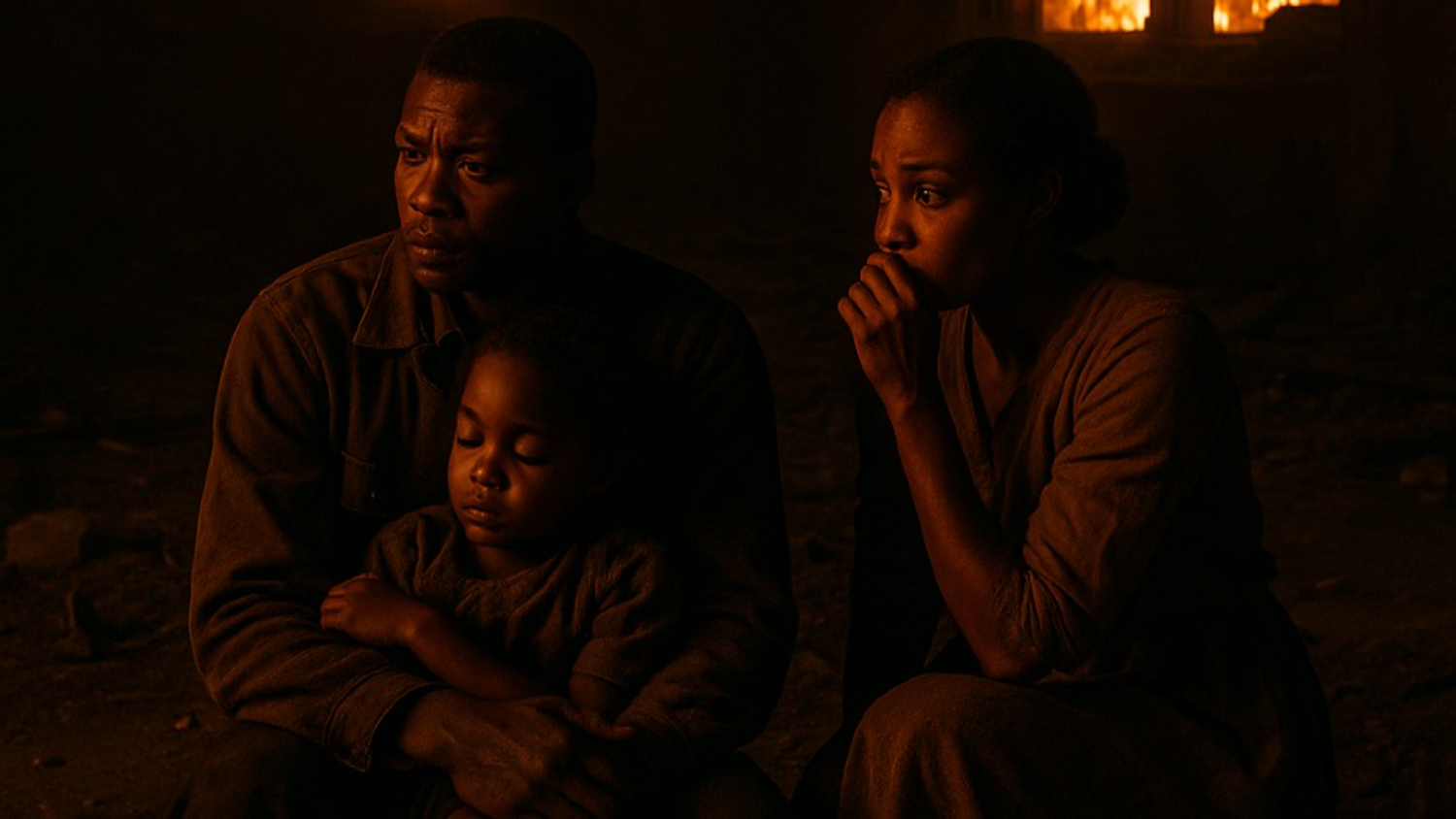
The 1990s and 2000s brought division. Parts of the feminist movement became more exclusive; parts of the men’s movement turned reactionary, even hostile. Media narratives focused on extremes. Funding, political support, and public sympathy began to shift unevenly.
But here's the essential thing: portraying one side as “the villain” would completely miss the point. The series should present the facts as they occurred, through the eyes of those who lived them, without assigning moral superiority.
Different from Other Stories
Most series that address gender topics — especially those centered around feminism or masculinity — tend to mask the pain of the other side. They choose a clear hero and a clear villain. But this proposal is different. There would be no sides, no moralizing, no simplified good versus evil — just the raw complexity of human stories, motivations, and losses. It would be about showing, not preaching.
Visual Identity and Narrative Style
Each episode could represent a different decade or emotional arc. The series might use color grading to mirror the historical mood — warm tones in early unity, colder hues in the age of polarization. The soundtrack could mix protest anthems and minimalist scores. Through debates, letters, and quiet moments at home, viewers would feel the weight of change and missed opportunities.
What the Series Would Leave Behind
This story isn’t about choosing a side. It’s about recognizing that both men and women suffer from harmful stereotypes and social expectations. At one point in history, liberal feminism acknowledged that more openly. What we lost wasn’t just an alliance — we lost the room for balanced dialogue in a world obsessed with extremes.
Maybe it’s not too late to recover that space.
Would you want to see a series like this?
MARKED AS: Tv Show
COMMENTS
No comments yet.