Hot Wheels Acceleracers A Racing Legacy Forgotten
More Than a Cartoon About Cars
Hot Wheels Acceleracers could easily have been just a toy commercial with wheels, flames, and colorful tracks. Honestly, many brands would have been satisfied with that. But Acceleracers went further. It created a strange, stylish, and surprisingly intense universe where racing was not just about winning. Racing was survival, discovery, rivalry, trauma, and sometimes even identity.
That is what made it stand out. The series had futuristic cars, impossible tracks, and wild visual concepts, but it also had emotional stakes. The drivers were not all the same. They had different backgrounds, different attitudes, different fears, and different ways of dealing with pressure. You could remember them not only because of their cars, but because of how they behaved inside those cars.
For me, that is where Acceleracers separated itself from many racing stories. It understood that vehicles can be extensions of character. A car was not just a machine. It was style, attitude, music, ego, rebellion, discipline, fear, and ambition on wheels. That level of identity is exactly what a good live action adaptation would need to preserve.
Why Fast and Furious Is Not the Best Comparison
A lot of people would immediately compare any racing franchise to Fast and Furious, but I think that comparison is limited. Fast and Furious became a global action brand because it moved beyond street racing into heists, spies, family drama, impossible stunts, and superhero-level action. It became successful because it kept escalating.
Acceleracers was different. It did not need to become a copy of Fast and Furious, and honestly, it should not. What made Acceleracers special was not just speed. It was the combination of racing culture with science fiction, mystery, worldbuilding, and almost mythological competition.
Fast and Furious often treats cars as weapons, status symbols, or tools for spectacle. Acceleracers treated cars as part of an entire universe. Every design had meaning. Every team had a visual identity. The Teku, the Metal Maniacs, the Racing Drones, and the Silencerz all felt distinct. You could understand their personality before anyone even spoke, simply by looking at their vehicles, hearing their music, or watching how they entered a race.
That kind of aesthetic care is rare. And if a live action adaptation leaned into that, it could offer something completely different from the usual Hollywood car movie.
The Beauty Was in the Details
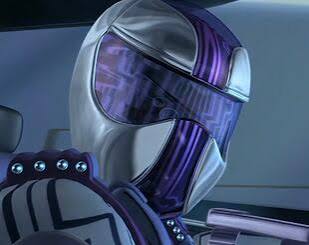
One of the reasons Acceleracers stayed in people’s minds is the attention to detail. The cars were not generic futuristic vehicles. They felt designed around personalities, teams, functions, and moods. The Teku cars had style, sound, rhythm, and neon confidence. The Metal Maniacs felt heavier, rougher, louder, and more aggressive. The Racing Drones had a cold machine logic. The Silencerz carried mystery, secrecy, and almost spy-like precision.
That is exactly the kind of visual language live action cinema loves when it is done well. Imagine a trilogy where each team has its own garage culture, color palette, sound design, fashion, and driving philosophy. Imagine the cars being treated with the same level of reverence that superhero films give to costumes or weapons. Acceleracers already had that foundation.
And this is where the franchise had something that many racing films do not. It had style, but the style was connected to the story. The cars were cool, but they were not empty. The realms were spectacular, but they were not random. Each racing realm tested a different skill, a different fear, or a different driving concept. Water, ice, storm, ruins, lava, speed, balance, control. These were not just tracks. They were challenges with identity.
The Realms Were a Brilliant Concept
The racing realms are probably one of the strongest ideas in Acceleracers. They allowed the story to escape normal roads without losing the core idea of racing. Every realm felt like a world with its own rules, physics, danger, and visual personality.
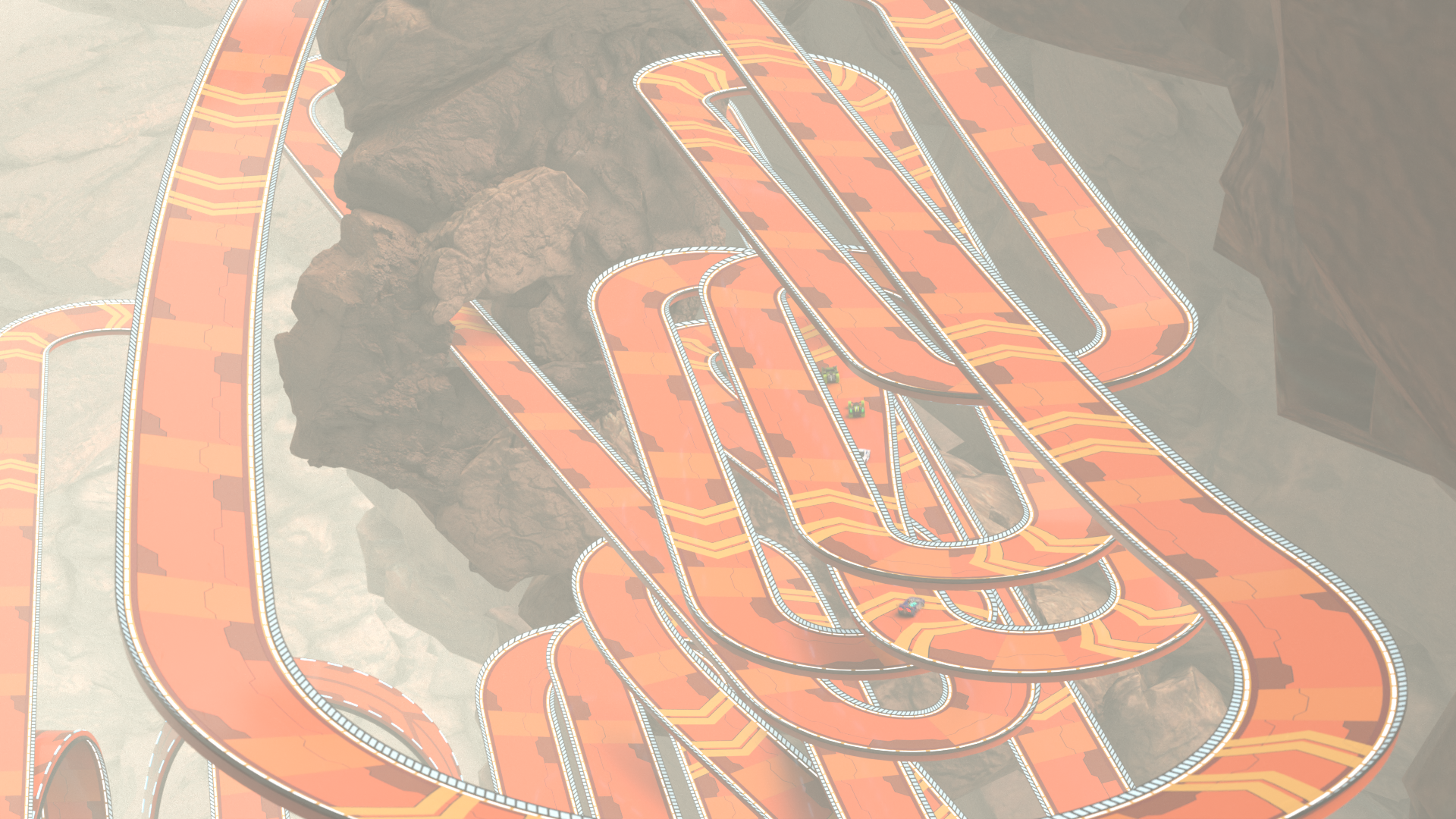
That is why the concept still feels so adaptable. In live action, the realms could become the main cinematic hook. One film could introduce the teams and the first major realm discoveries. A second film could push deeper into the mystery of the Accelerons, the Silencerz, and the Racing Drones. A third film could finally explore the larger mythology behind the realms, the Accelechargers, and the question of who truly deserves to control that technology.
That is not just enough for one movie. That is enough for a trilogy, maybe more.
Of course, adaptations would be necessary. Some elements would need to be redesigned for modern audiences. Some character arcs would need more emotional grounding. The lore would need to be clarified without becoming too heavy. But the central concept already works. It is simple enough to understand and deep enough to expand.
Drivers enter impossible worlds.
Each world tests them.
The cars matter.
The teams matter.
The mystery gets bigger.
That is a franchise structure.
The Soundtrack Was Not Background Noise
Another major part of Acceleracers was the music. The soundtrack was not just there to fill silence. It gave the series its pulse. Rock, rap, hip-hop, electronic music, and techno all helped define the emotional temperature of the races.
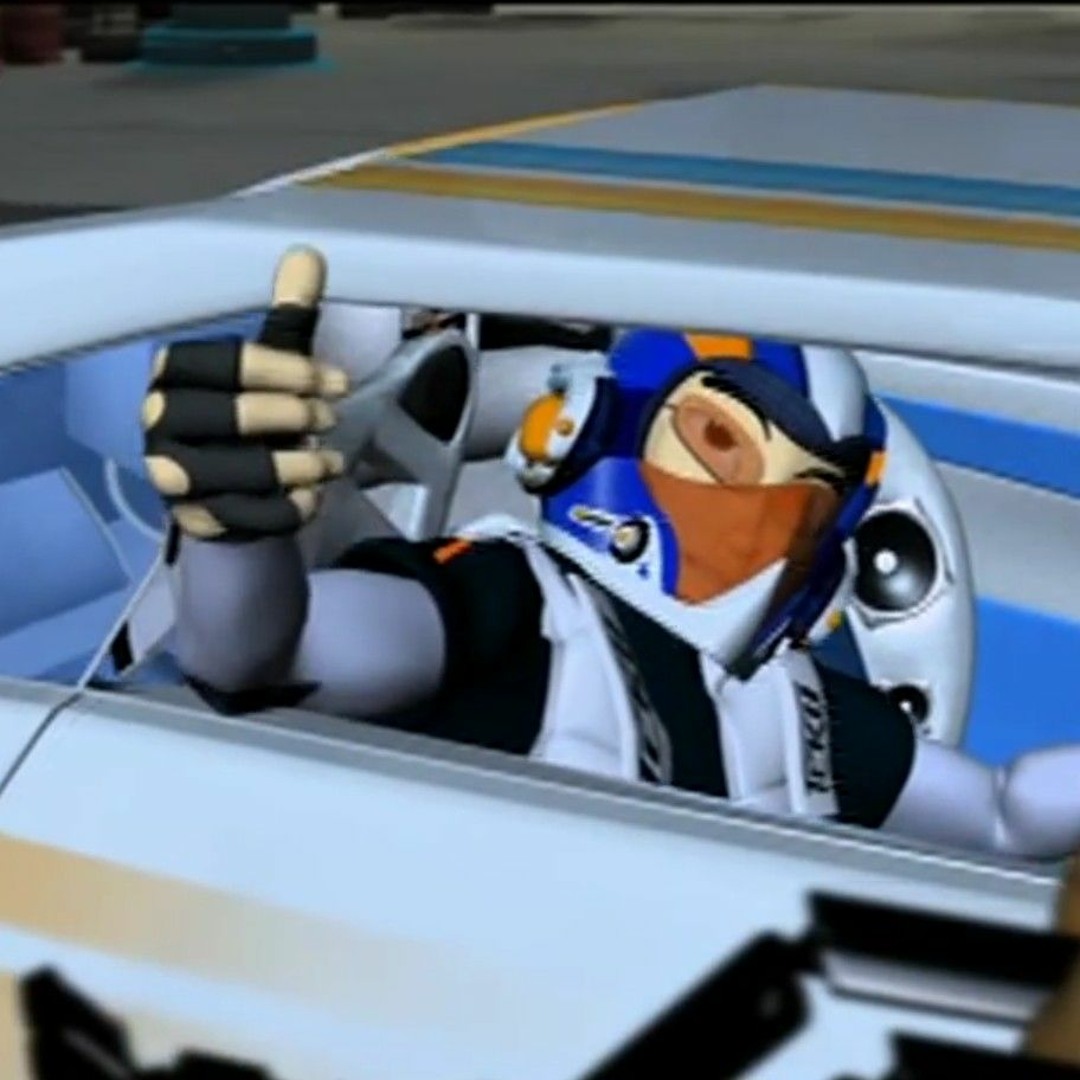
For me, Shirako Takamoto is the perfect example of that. He was not just another driver. His entire personality was built around music, rhythm, style, and movement. He made the car feel like a stage. The race was not only a competition for him. It was a performance.
That is the kind of character detail a live action version could make unforgettable. Imagine a racing sequence where the sound design shifts depending on the driver’s mindset. The Teku do not just drive differently. Their world sounds different. Their cars breathe differently. Their engines feel tied to music and identity.
This is where Acceleracers could have been visually and sonically unique. Not just loud engines. Not just generic action music. A real fusion of racing, character, and soundtrack.
Characters With More Depth Than Expected
For a series connected to toys, Acceleracers had surprisingly memorable character work. Vert Wheeler was not just a heroic driver. He carried pressure, doubt, and the burden of proving himself. Taro Kitano had the quiet intensity of someone who had survived enough to stop needing applause. Karma Eiss brought focus and intelligence. Nolo Pasaro and Tork Maddox carried one of the most interesting emotional conflicts in the series, with grief, guilt, rivalry, and leadership all colliding between them.
That kind of emotional material matters. A live action adaptation would not need to invent drama from nothing. It would need to sharpen what was already there. The conflict between Teku and Metal Maniacs could become more than team rivalry. It could become a story about different kinds of masculinity, grief, ego, loyalty, and how young people deal with loss when speed becomes their only language.
Even the villains had potential. The Racing Drones were not just evil robots. They represented cold perfection, machine logic, and the terrifying idea of racing without fear, hesitation, or humanity. The Silencerz added another layer of mystery, turning the story into something bigger than a simple competition between teams.
That is why the cancellation still feels frustrating. Acceleracers did not end because the story had nowhere to go. It ended while the story felt like it was opening the door to something larger.
What Happened to Acceleracers?
The cancellation of Acceleracers has always felt strange to fans because the series did not feel creatively finished. It felt interrupted. There has never been one fully satisfying official explanation that closes the case completely, but the most common understanding is that the franchise was deeply tied to Mattel’s toy strategy. When priorities shifted and the product line changed, the media side disappeared with it.
That is one of the sad things about brand-driven animation. Sometimes a story can be working creatively, but if the merchandise strategy changes, the story simply stops. It does not matter that fans still care. It does not matter that the characters still have unresolved arcs. The business logic moves on.
Later, Battle Force 5 tried to keep Hot Wheels in the world of animated action, but it never had the same impact for me. It had energy, but not the same mystery. It had vehicles, but not the same emotional connection. It had action, but not the same strange, almost underground identity that Acceleracers carried.
Acceleracers felt like a world.
Battle Force 5 felt more like a replacement.
And fans noticed the difference.
The Speed Racer Comparison Is Important
The comparison with Speed Racer is interesting because it shows both the risk and the opportunity. Speed Racer, released in two thousand eight, had a reported budget of around one hundred and twenty million dollars and earned around ninety-three point nine million worldwide. Commercially, that was a disappointment. But over time, the film gained a cult reputation because people began to appreciate its extreme visual style, sincerity, and unique approach to racing cinema.
That matters because Acceleracers could have learned from both sides of that example. A live action Acceleracers movie would not need to copy Speed Racer’s hyper-saturated cartoon style exactly. In fact, it probably should not. But it could learn from its boldness. Speed Racer proved that racing cinema does not need to be visually realistic to be memorable. It can be stylized, emotional, colorful, strange, and still have a soul.
The difference is that Acceleracers already had a stronger built-in toy identity, multiple teams, a larger mythology, and a structure that could support more than one film. With a budget in the range of Speed Racer, maybe around one hundred to one hundred and twenty million dollars for a major first film, a careful studio could have launched a trilogy instead of trying to explain everything at once. The first movie could introduce Highway Thirty-Five, the teams, and the mystery of the realms. The second could expand into the Racing Drones, Silencerz, and Accelechargers. The third could go fully into the Accelerons and the larger question of what this technology was really meant for.
That would have been a far smarter path than making one overloaded movie and hoping audiences understood everything immediately.
Why This Could Work Now
The timing may actually be better now than it was years ago. Audiences are more comfortable with franchise worldbuilding. Streaming platforms have trained viewers to follow complex mythology across multiple chapters. Video game adaptations and toy-based films are no longer automatically treated as jokes when they have real creative vision behind them.
Mattel has also become more serious about turning its brands into major entertainment properties. After the success of Barbie, the company has been actively developing more films and shows based on its toy catalog. A live action Hot Wheels movie is already in development, with Jon M. Chu attached to direct. That proves the brand is not dead as a cinematic idea.
But that also raises the question: if Hot Wheels is coming to live action, why not use one of the strongest story-driven concepts the brand ever had?
Acceleracers is not just “cars go fast.” It has mythology. It has teams. It has mystery. It has nostalgia. It has a cult fanbase. It has music. It has a visual identity. It has the kind of emotional and aesthetic foundation that many toy adaptations desperately try to invent from scratch.
A Live Action Adaptation Would Need Changes
Of course, a live action version would need changes. It could not simply copy every scene from the animated films and expect it to work. Some dialogue would need to be modernized. Some characters would need deeper motivations. The worldbuilding would need to be introduced carefully so that new viewers do not feel lost.
The tone would also matter. It should not become a childish toy commercial, but it also should not become a joyless dark reboot. The best version would keep the energy, color, music, and exaggerated style of the original while giving the characters more emotional realism.
The cars should feel practical enough to believe in, but stylized enough to remain Hot Wheels. The realms should feel dangerous and beautiful. The soundtrack should be central. The teams should have real culture. The story should respect the fans without becoming impossible for newcomers to enter.
That balance would be difficult, but not impossible.
And honestly, that is exactly why the opportunity is exciting.
The Lost Racing Saga
What makes Acceleracers so memorable is that it felt like it was building toward something. It was not just a sequence of races. It was a mystery unfolding through speed. Every realm added a new piece. Every character carried a little more emotional weight. Every victory felt temporary because the larger threat was still out there.
That is why the cancellation hurt. Fans were not simply asking for more episodes because they liked the cars. They wanted answers. They wanted closure. They wanted to know where Vert’s journey was going, what the Silencerz were truly planning, what the Accelerons represented, and how far the conflict with the Racing Drones could go.
That kind of unfinished energy is powerful. It keeps a fandom alive for years.
And in the case of Acceleracers, it still feels like unfinished business.
This Does Not Deserve to Be Forgotten
In my view, Hot Wheels Acceleracers and Highway Thirty-Five were more than nostalgic cartoons. They were ambitious, stylish, emotional, and surprisingly rich for something many people probably dismissed as simple toy-based entertainment.
That is what makes them special. They exceeded expectations.
They gave kids incredible cars and exciting races, but they also gave older viewers mystery, rivalry, music, worldbuilding, and characters worth remembering. That combination is rare.
A modern adaptation could go in several directions. It could be a high-end animated revival. It could be a live action trilogy. It could be a streaming series with cinematic racing sequences. But whatever the format, the core idea still works.
Drivers.
Realms.
Music.
Mystery.
Machines.
Humanity.
Speed as survival.
That is not just nostalgia.
That is a franchise waiting to be rediscovered.
Would you like to see Hot Wheels Acceleracers return as a major movie or streaming adaptation?
MARKED AS: Animation | Tv Show
COMMENTS
Want to join the conversation? Log in to leave a comment.