The Dancing Plague of 1518, A True Historical Horror Still Waiting for the Big Screen
Some stories are so strange, they feel made up.
But in the summer of 1518, something horrifying happened in Strasbourg, France: people started dancing — and couldn’t stop. They danced in the streets for days. Some dropped dead. Others kept moving, driven by something no one could explain.
Yes, this really happened. And I can’t stop thinking about how powerful this story could be if turned into a film.
A Mystery That Defies Explanation
Personally, I find the “Dancing Plague” one of the most bizarre and neglected stories in modern media. It’s dramatic, tragic, and full of mystery — yet somehow still hasn’t been adapted into a proper feature.
Some researchers believe it was caused by ergot poisoning (a hallucinogenic fungus in rye). Others think it was mass psychogenic illness, brought on by famine, war, or deep religious repression. A few even suggest it was part of a spiritual hysteria or trance-like state induced by fear and faith.
No matter the theory, one thing is certain: these people weren’t dancing for fun. They were trapped in their bodies — moving without choice, dying from exhaustion, strokes, and heart failure.
Why Isn’t This a Movie Yet?
With all the historical dramas and horror films being produced, how is this story still untouched?
A film about the Dancing Plague could blend historical realism with psychological suspense. Picture it:
A small city, hot and tense in the summer of 1518. People begin collapsing in the streets, unable to stop dancing. Fear spreads faster than the sickness itself.
This movie could follow two narrative threads:
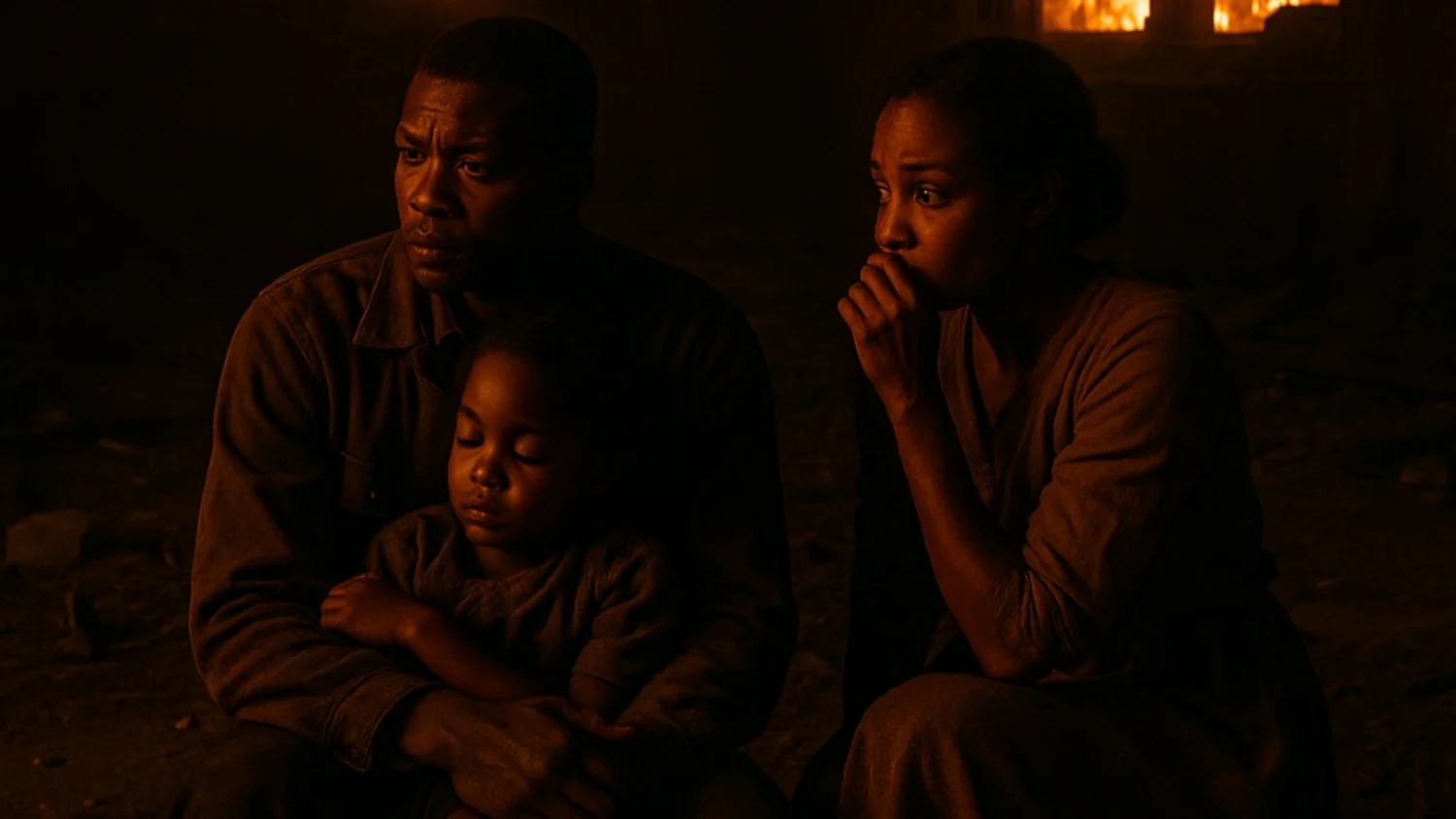
A personal story, focused on a woman who begins dancing after suffering a tragic loss, and her family’s desperate attempt to help her.
A broader political/religious story, with city leaders, doctors, and clergy struggling to explain the inexplicable.
More Psychological Than Supernatural
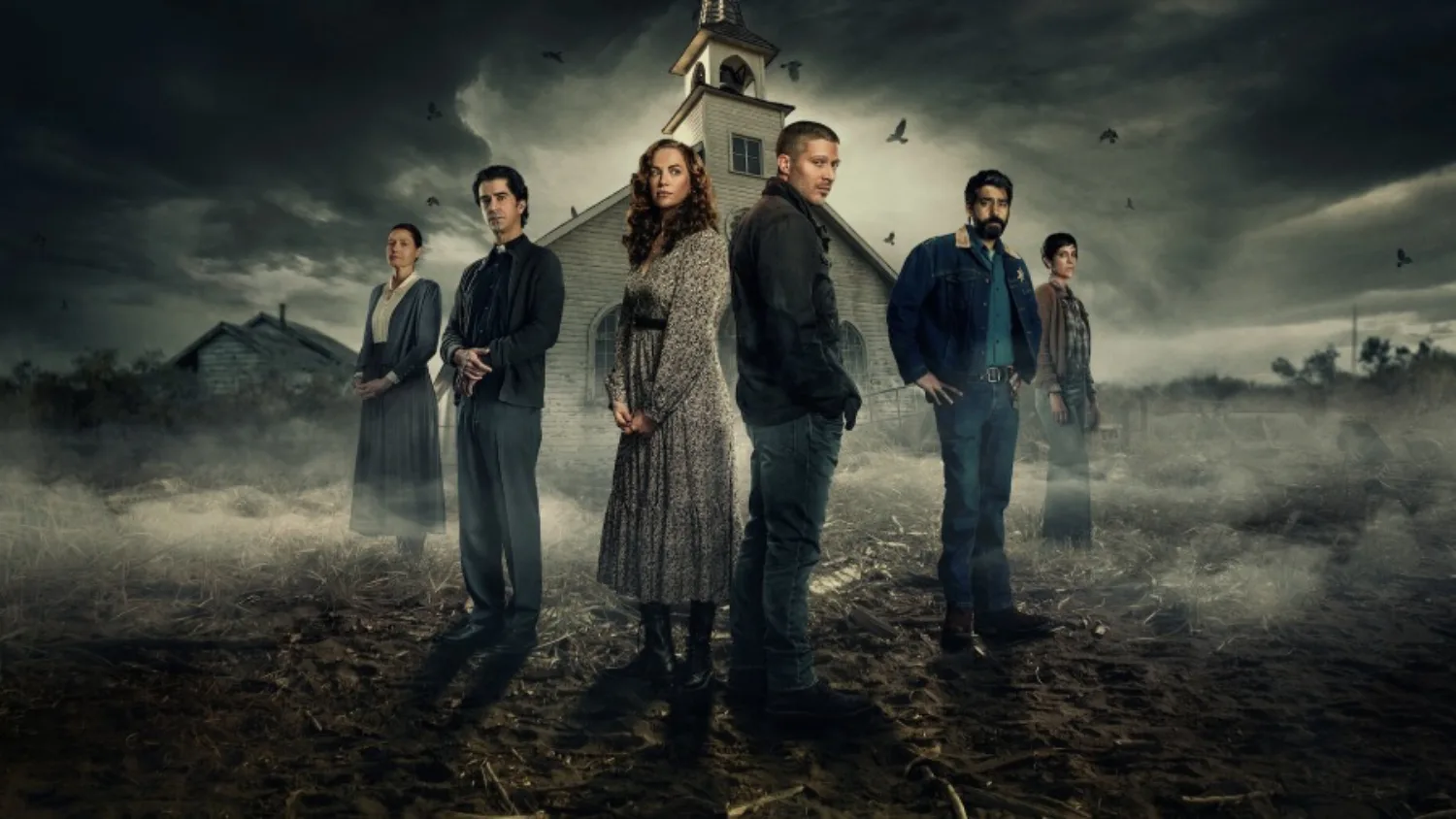
The tone could resemble films like The Witch or Saint Maud — minimal, tense, and grounded in mental unraveling rather than monsters. The horror would come not from jump scares, but from human helplessness. The silence. The repetitive movements. The slow breakdown of society.
There wouldn’t be a need for jump scares or demons. Just the terror of watching a loved one dance to death... without knowing why.
And all of it based on a true event.
A Warning From the Past?
Beyond the mystery and horror, a film like this could raise deep questions about the pressures of society. What if the 1518 plague was a collective mental breakdown, caused by hunger, stress, and hopelessness?
That sounds... disturbingly familiar.
The Dancing Plague might be a relic of the past — but its meaning could hit uncomfortably close to home today.
And in my opinion, it’s about time we saw this story on screen.
Would you want to see a film based on the 1518 Dancing Plague?
MARKED AS: Movie
COMMENTS
Want to join the conversation? Log in to leave a comment.