The Devil Wears Prada — Hell Is in the Details
Released in 2006, The Devil Wears Prada might initially come off as just another light drama about fashion and relationships. But that would be a mistake. In reality, this film offers a compelling look at ambition, personal sacrifice, and the struggle for identity — all wrapped in designer outfits and razor-sharp dialogue.
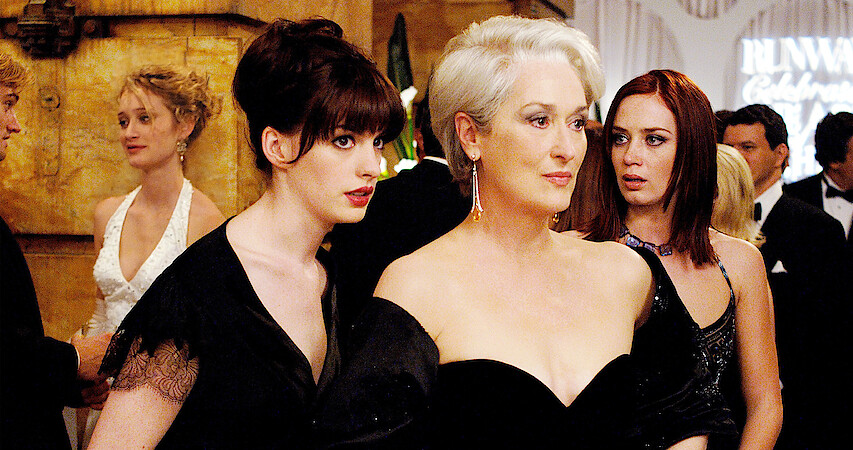
In my opinion, what truly breathes life into this film isn’t the protagonist — although Anne Hathaway delivers a strong performance as Andrea — but the villain, Miranda Priestly, played masterfully by Meryl Streep. She's the kind of antagonist we love to hate. Cold, demanding, and manipulative, yet also incredibly competent, powerful, and — in some moments — surprisingly relatable.
Much More Than Fashion
Despite being set in the fashion world, the movie isn’t really about clothes. It's about choices. About balancing personal dreams with external expectations. About how certain careers can demand you leave behind your relationships, values, and even your identity.
Andrea's transformation isn’t just physical. She begins to think differently, behave differently — reshaping herself to fit into a world that constantly challenges her. And even though Miranda is the source of much of that pressure, she also symbolizes a woman who climbed to the top in a male-dominated world, paying a steep price for her power.
A Story About Women in Hostile Environments
The film also offers an honest look at how women navigate power, relationships, and social judgment. Both Miranda and Andrea are strong in their own ways — facing different but equally demanding battles to maintain dignity and space in a system built to wear them down.
It’s hard not to relate to their internal struggles. The writing is clever, the dialogue memorable, and even the supporting cast enriches a world that blends glamour and discomfort in just the right measure.
Still Relevant ?
Almost two decades later, The Devil Wears Prada feels more relevant than ever. In an era of mental health discussions, toxic workplace culture, and evolving leadership roles, the film’s themes are timeless.
Even if the ending feels a bit sudden to some, the impact lies in the journey — the quiet victories and defeats, the masks we wear, and the bravery it takes to remove them. And, of course, in Miranda Priestly — still one of the most fascinating villains ever written for the screen.
What did you think of The Devil Wears Prada?
MARKED AS: Movie

COMMENTS
No comments yet.