The Thing 2011 Review: An Underrated Sci-Fi Horror Movie About Paranoia, Trust, and Identity
What If the Person Next to You Wasn’t Really Them?
The scariest thing about The Thing is not just the creature itself. It is the possibility that the creature may already be standing beside you.
That is what makes the 2011 film so effective for me. It is not about a stranger appearing from the darkness. It is about someone familiar suddenly feeling slightly wrong. A voice that sounds the same, but not quite. A gesture that almost matches, but carries something empty behind it. A person you trusted a few minutes ago now becomes a question you are afraid to answer.
That idea is incredibly strong because it turns the entire group dynamic into a trap. Every look matters. Every hesitation matters. Every small mistake can become evidence. The movie understands that paranoia is not only about fear. It is about interpretation. You are not just watching people survive. You are watching them study each other, doubt each other, and slowly realize that trust may be more dangerous than isolation.
A Prequel That Works Better Than People Admit
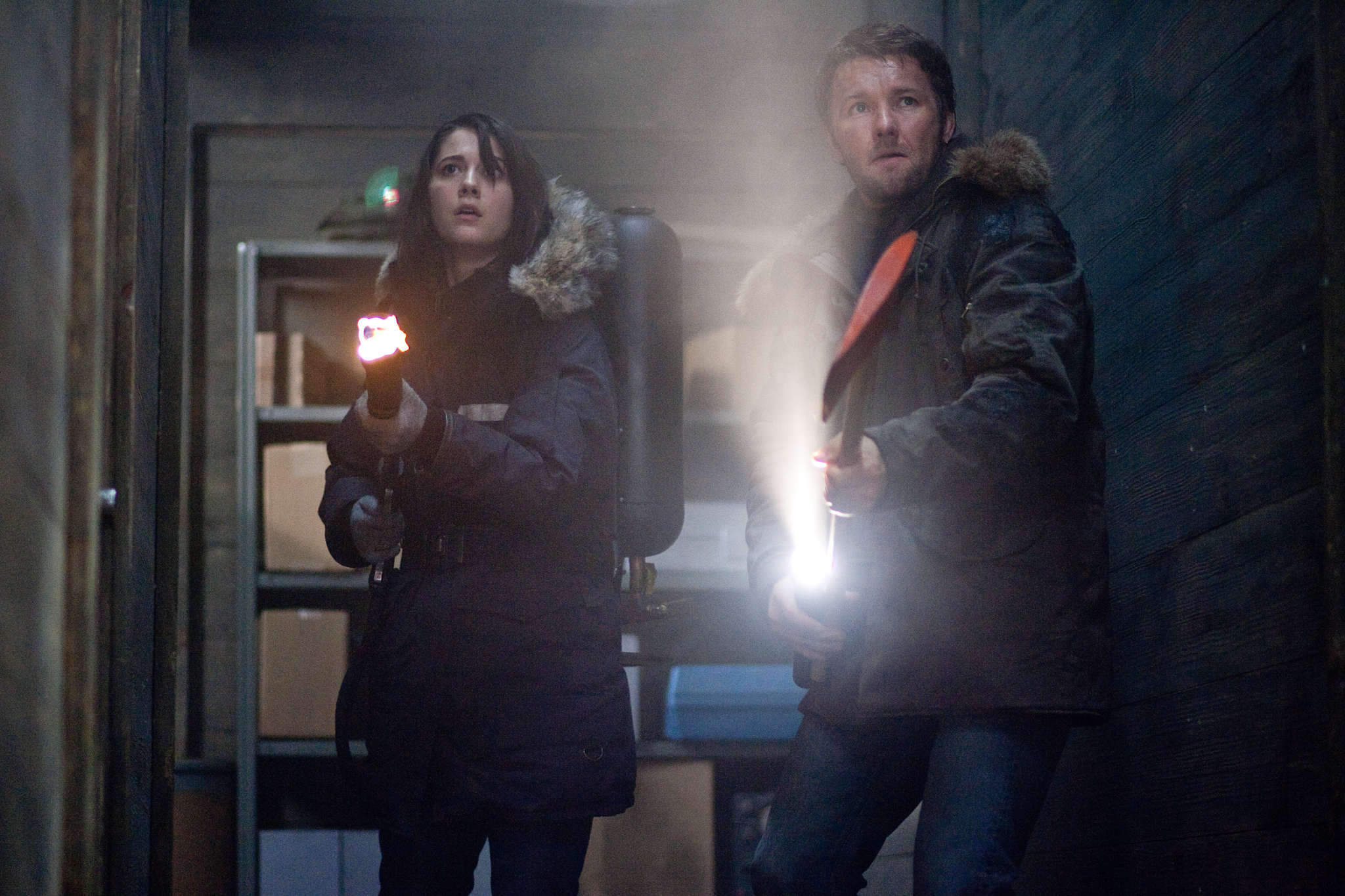
Technically, The Thing from 2011 is a prequel to John Carpenter’s 1982 film. It shows what happened at the Norwegian research station before the events of the classic movie. That connection is important, but I honestly think the film can still work on its own, especially for viewers who did not watch the 1982 version first.
That was my experience, and I think it actually helped. I watched the 2011 version without carrying the full weight of comparison, and because of that, I could enjoy its mystery, its atmosphere, and its tension more freely. Instead of constantly asking whether it was as good as Carpenter’s film, I was able to engage with what this version was trying to do.
And what it tries to do is interesting. It takes a familiar horror concept and places it inside a confined environment where logic starts to collapse. The Antarctic setting is perfect for this kind of story. There is nowhere to run, no help arriving, and no safe space once the creature begins to reveal what it can do. The cold outside becomes almost as threatening as the monster inside.
Mary Elizabeth Winstead Gives the Film a Strong Center
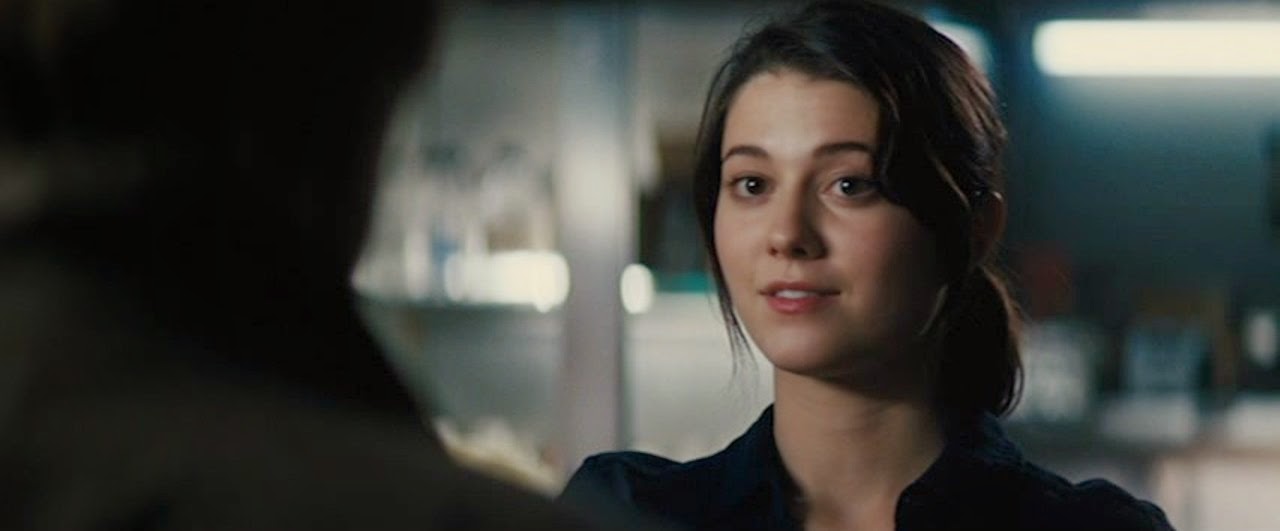
One of the reasons the movie works is Mary Elizabeth Winstead as Kate Lloyd. She gives the story a grounded center, which is extremely important in a film where everything around the characters becomes increasingly unstable.
Kate is not written as an exaggerated action hero. She is observant, intelligent, cautious, and increasingly aware that panic can destroy the group just as quickly as the alien can. That makes her a good protagonist for this specific story. She is not simply reacting to monsters. She is trying to read behavior, notice inconsistencies, and survive a situation where the normal rules of human interaction no longer apply.
That is one of my favorite aspects of the film. The horror is not only physical. It is investigative. The characters are not just asking where the creature is. They are asking who the creature is. That difference gives the movie a more psychological edge.
The Mystery Is the Real Engine of the Film
For me, the strongest part of The Thing is the mystery. The film keeps pushing the viewer into the same emotional state as the characters. You start looking for clues. You start questioning small reactions. You start wondering if someone is nervous because they are scared, or because they are hiding something inhuman beneath the surface.
That is where the movie becomes genuinely engaging. The creature may be grotesque and violent, but the suspense comes from the uncertainty before it attacks. The best moments are often not the loudest ones. They are the moments where people stare at each other across a room, waiting for someone to make the wrong move.
This is why the concept still feels so powerful. The Thing is not just a monster that kills. It is a monster that destroys trust before it destroys bodies. It turns human connection into a vulnerability. In most horror movies, staying together is the smart choice. Here, staying together may be exactly what the creature wants.
The Creature Effects Are Flawed, But the Ideas Still Work
It is impossible to talk about The Thing from 2011 without mentioning the effects. The film has been criticized for relying too much on CGI, especially because practical creature work had originally been created for the production. I understand that criticism. Some digital effects do not age as well as they should, and in a story like this, texture matters. The creature should feel wet, heavy, physical, and wrong in a way that makes the viewer uncomfortable.
That said, I do not think the effects ruin the film. There are still moments where the transformations are disturbing, imaginative, and chaotic in the right way. The creature designs carry the spirit of body horror, even when the execution is uneven. And more importantly, the central fear still works. Even when a visual effect is not perfect, the idea behind it remains terrifying.
Would the movie be stronger with more practical effects preserved? Probably. In fact, I think that version would be fascinating to see. But even in the version we have, the film still manages to create memorable horror images and a constant feeling that the human body itself has become unreliable.
Why the Film Feels Underrated
I think The Thing 2011 suffers from being attached to one of the most respected horror films ever made. That is a difficult position for any movie. If it changes too much, fans accuse it of misunderstanding the original. If it stays too close, people call it unnecessary. This prequel gets trapped between those two reactions.
But when viewed on its own terms, I think there is a lot to appreciate. The pacing is solid, the setting is effective, the mystery works, and the atmosphere is much stronger than many people give it credit for. It may not reach the same level as Carpenter’s film, but that does not mean it fails as a sci-fi horror movie.
For me, this is one of those films that becomes better when you stop asking it to be a masterpiece and start appreciating what it does well. It creates dread. It makes you think. It turns a room full of people into a battlefield of suspicion. That is already more than many modern horror films manage to do.
The Ending Makes the Prequel Connection Stronger
One thing I really like is how the film connects to the 1982 story. Without needing to overexplain everything, it leads directly into the mystery that Carpenter’s film begins with. That gives the prequel a sense of purpose. It is not just adding random lore. It is showing the disaster before the disaster.
That structure works because it reinforces the tragic inevitability of the story. We know something terrible is coming. We know the threat will not simply disappear. But the film still makes the journey tense because the characters do not know how doomed they are. That creates a different type of suspense. It is not only about whether they survive. It is about watching the pieces fall into place.
And because the creature is built around imitation, the ending also leaves behind that uncomfortable feeling that the danger may never truly be over. With The Thing, survival is never completely reassuring. If someone walks away alive, the question becomes obvious: are they really themselves?
Should The Thing Return Again?
The big question is whether this universe should continue. Part of me would love to see another version of The Thing made with modern filmmaking, stronger practical effects, and even deeper psychological tension. The concept is too good to stay untouched forever. There is still so much to explore about identity, fear, isolation, and the horror of not knowing who you can trust.
But another part of me understands why the unknown is so important to this franchise. The Thing works because it refuses to give comfort. It does not explain everything. It does not offer easy answers. It leaves the audience with doubt, and that doubt is the point.
If this story ever returns, I think it should not simply be a louder remake or a bigger monster movie. It needs to be intimate, cold, paranoid, and uncomfortable. It needs to make the audience study every face in the room. It needs to make silence feel dangerous. It needs to remember that the scariest thing in The Thing is not the creature’s appearance, but the possibility that trust itself has already been infected.
A Movie That Deserves Another Look
For me, The Thing 2011 is not just an underrated prequel. It is a tense, mysterious, and genuinely enjoyable sci-fi horror film that deserves more appreciation. I liked its atmosphere, its concept, its paranoia, and the way it turns human identity into something fragile and uncertain.
It may have flaws. The CGI can be uneven. Some viewers may prefer the 1982 film by a wide margin. And yes, the movie lives under the shadow of a classic. But I still think it works. It kept me engaged, made me suspicious of every character, and gave me exactly the kind of horror I enjoy: not just violence, not just monsters, but dread built from doubt.
That is why I think The Thing from 2011 deserves to be revisited. Not as a replacement for Carpenter’s film, but as a strong companion piece that captures the same terrifying question from a different angle.
What if the person next to you was not really them?
And worse, what if you realized it too late?
And that brings me to a question I keep asking myself — and now, I want to ask you:
Should The Thing get a new chapter?
A continuation? A remake? Or should we just leave this haunting tale exactly as it is?
MARKED AS: Movie
COMMENTS
Want to join the conversation? Log in to leave a comment.