Willow Season 2: Did Disney Cancel a Good Fantasy Series Too Soon?
Was Willow Really a Mistake?
When a series is canceled after one season and then removed entirely from the platform that produced it, the natural conclusion is that something went terribly wrong.
But after watching Willow, I am not convinced that the series itself was a mistake.
Personally, I thought the story was original enough for what it was trying to accomplish. It followed a recognizable fantasy structure, with an inexperienced group leaving the safety of their kingdom, crossing dangerous lands, confronting magical threats, and gradually becoming a team. We have seen many variations of that journey, especially after decades of fantasy films, series, novels, and games, but familiarity does not automatically make a story worthless.
Willow had charm. It had adventure, romance, humor, danger, and a world that felt larger than the immediate mission. Its costumes were generally strong, its locations looked convincing, and the visual effects gave the series a more ambitious scale than many fantasy productions made for streaming.
I would not call it revolutionary, but I also would not call it a failure.
That is what makes its disappearance so confusing.
A Familiar Adventure With Its Own Personality
The basic story brought Willow Ufgood back into a world that had changed since the original film. Elora Danan was no longer only the baby destined to defeat evil. She had grown into a young woman who did not understand her identity, her history, or the power hidden inside her.
That was a logical direction for a continuation. The original movie told us Elora was important, but it never had the opportunity to show what becoming that person would actually mean. The series used her uncertainty to build a new adventure around identity, responsibility, and the difference between being told you are special and actually feeling capable of fulfilling that promise.
The other young characters also gave the story room to grow. Kit struggled with duty, resentment, and the pressure of belonging to a royal family. Jade found herself divided between personal loyalty, romantic love, and a hidden connection to a people she had been taught to fear. Boorman brought humor and unpredictability, but he also carried his own history of betrayal and regret. Graydon initially seemed awkward and physically unprepared, yet gradually became one of the more sympathetic members of the group.
Not every character received the same level of development, and some relationships moved faster than they should have. Still, I could see the foundation of a stronger ensemble beginning to form.
That is why the lack of a second season feels especially frustrating. The first season spent considerable time assembling the group and placing its characters on the paths they would eventually follow. A second season could have used that foundation instead of rebuilding everything from the beginning.
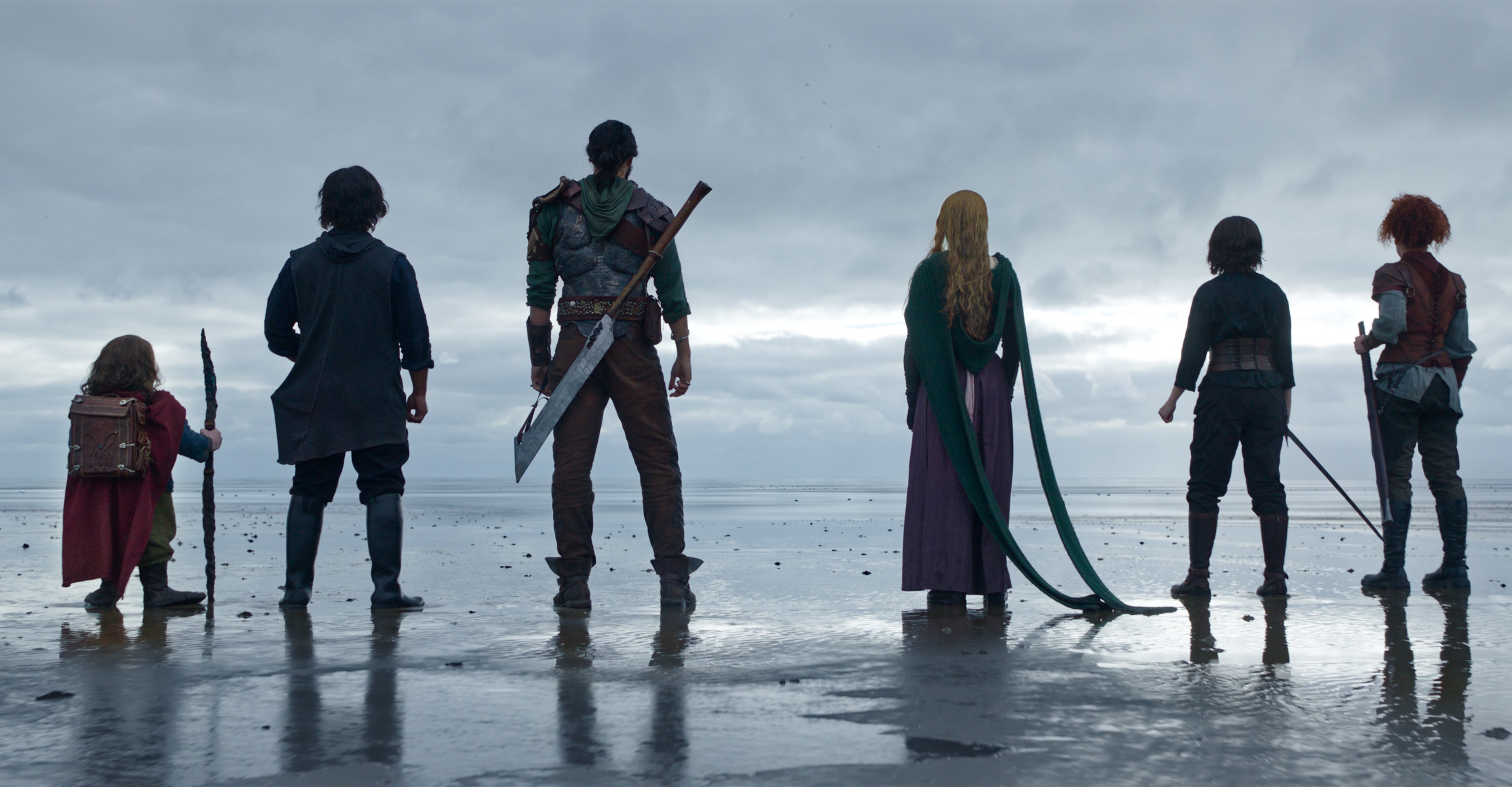
Where the Series Actually Went Wrong
Although I enjoyed Willow, I can understand why it did not connect with everyone.
Its most obvious problem was tone. The series wanted to preserve the playful fantasy spirit of the original movie while also speaking to a younger contemporary audience. Sometimes that combination worked, but at other times the modern dialogue and musical choices seemed disconnected from the medieval fantasy setting.
The original Willow had humor, but its world still felt sincere. The characters could be funny without appearing to know they were participating in a modern streaming series. In the sequel, some conversations felt too casual, as though contemporary teenagers had been placed inside fantasy costumes without fully adapting to the world around them.
That did not destroy the series for me, but it probably weakened the immersion for viewers who wanted a more timeless fantasy atmosphere.
The pacing also lacked consistency. Some episodes moved naturally between character development, exploration, and action, while others felt as though the main journey had paused for too long. A quest story needs the audience to feel that every stage brings the heroes closer to the destination while also changing them. Willow occasionally became distracted by side conflicts that did not always feel equally important.
The series also faced the difficult challenge of satisfying two very different audiences. Longtime fans wanted Willow, Sorsha, Madmartigan, Elora, and the emotional atmosphere of the 1988 film. Newer viewers needed younger characters, accessible relationships, and a story that did not depend entirely on nostalgia.
Trying to serve both groups left the series in an awkward position. Some original fans believed Willow himself had become a supporting character in his own continuation, while viewers without an attachment to the film may not have understood why this particular fantasy world deserved their attention over the many alternatives already available.
The Absence of Madmartigan Left a Noticeable Space
The absence of Val Kilmer was not a creative choice made casually. His health and the circumstances surrounding production made a conventional return difficult. Even so, Madmartigan’s absence created a large emotional gap.
The series tried to turn that absence into a mystery. Characters spoke about him, searched for traces of what happened, and allowed his legacy to influence the younger generation. His presence could be felt even when he was not physically there.
That approach had potential, but it also meant the story kept reminding viewers of a character it could not fully deliver.
Madmartigan was not simply a popular warrior from the original film. His humor, recklessness, growth, and relationship with Sorsha helped provide the movie with much of its energy. Without him, the series needed someone else to provide an equally powerful center.
Boorman inherited some of that roguish energy, but he was intentionally a different character. Willow himself carried emotional importance, although the story often divided its attention among the younger heroes. As a result, the series sometimes seemed to be searching for the charismatic center that the original movie had naturally possessed.
A second season might have solved that problem by allowing the new group to fully establish its own identity. Unfortunately, the series was stopped before that transition could be completed.
Good Costumes, Effects, and a World Worth Continuing
One area where I think Willow deserves more credit is its physical and visual production.
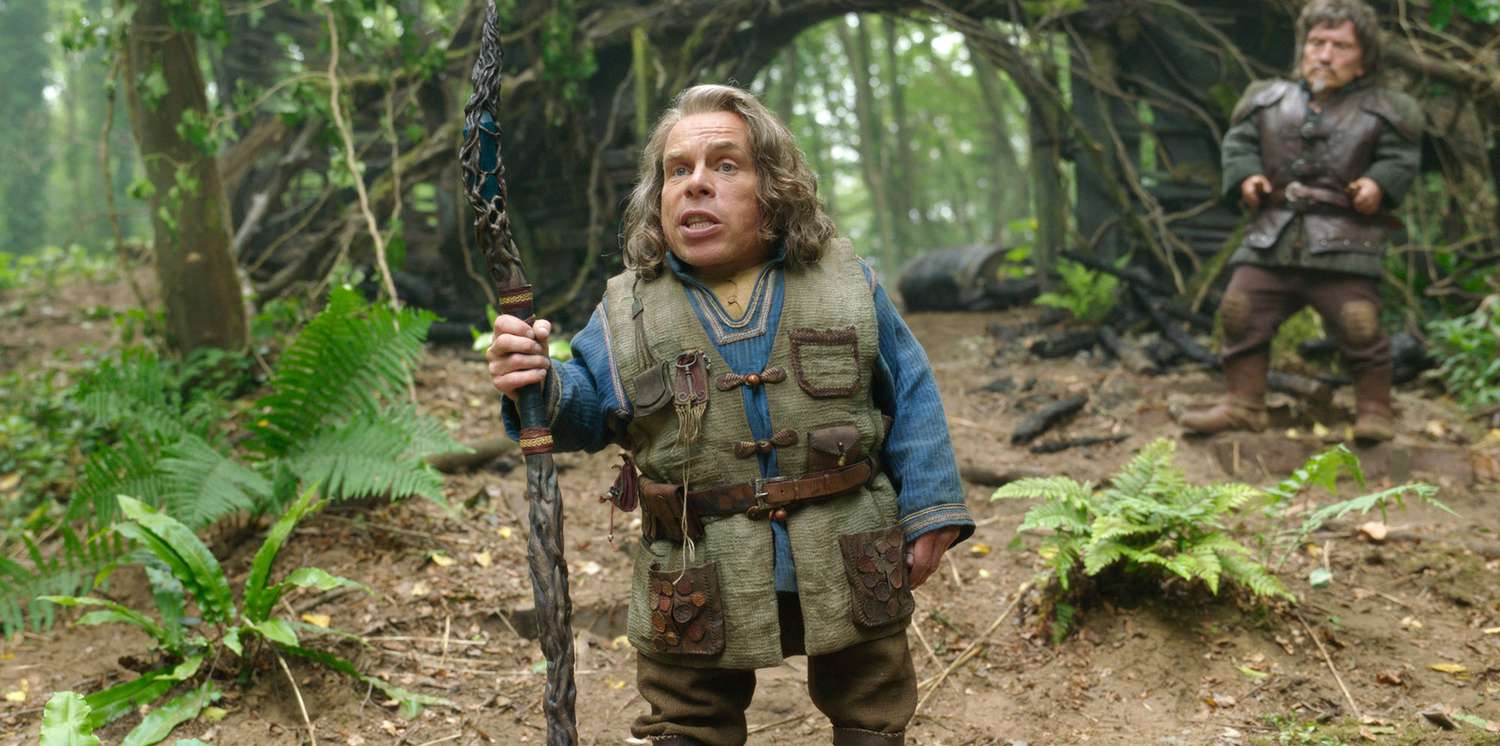
The series had attractive landscapes, detailed clothing, magical objects, castles, creatures, forests, ruins, and armor that helped the world feel tangible. It did not always have the polish of the most expensive theatrical fantasy films, but it rarely looked like a small television production.
The costumes also helped distinguish the characters and cultures. Kit and Jade did not look interchangeable, while Boorman’s clothing communicated a completely different history and personality. Elora’s visual transformation accompanied her gradual understanding of who she was becoming.
The creature work and visual effects varied in quality, as they do in most large fantasy series, but there were enough impressive moments to show that the production had ambition. The world felt capable of supporting more regions, kingdoms, magical traditions, monsters, and political conflicts.
That may be the most disappointing part of the cancellation. Disney and Lucasfilm invested in establishing this world, only to stop just as the broader mythology was beginning to open.
Was Fantasy Competition Part of the Problem?
Willow also arrived during a crowded period for fantasy television.
Audiences already had access to darker political fantasy, large adaptations of famous novels, animated adventures, game-inspired worlds, and several streaming series built around magic, kingdoms, prophecies, and young heroes.
In that environment, being good may not have been enough.
Willow needed a clear identity that could be understood immediately. The original movie still has devoted fans, but it was never a cultural giant on the scale of The Lord of the Rings, Harry Potter, or Star Wars. Its following is passionate, although probably not large enough to guarantee that an expensive sequel series would automatically become a major streaming event.
The series therefore needed to attract people who had never watched the movie. I am not sure the marketing successfully explained why they should care.
To someone unfamiliar with Willow, the promotional material may have looked like another light fantasy quest featuring young heroes and familiar archetypes. The details that made the series distinctive, including Elora’s legacy, Willow’s complicated relationship with magic, and the continuation of a story that began decades earlier, were difficult to communicate in a trailer.
It may not have failed because audiences rejected it. Many potential viewers may simply never have felt a strong reason to begin.
Was the Fanbase Large Enough?
There is clearly a Willow fanbase.
People campaigned for a second season, criticized Disney for removing the series, shared artwork, discussed the Kit and Jade relationship, and continued asking for the story to return. Warwick Davis himself publicly expressed frustration that viewers could no longer legally access the series through the platform that created it.
The problem is not whether fans exist. The problem is whether there were enough of them to justify the cost of continuing an expensive fantasy production.
Streaming services do not normally renew programs because a smaller group loves them deeply. They look for completion rates, subscriber growth, retention, international performance, production cost, and the ability to keep audiences engaged over multiple years.
Willow may have fallen into one of the worst possible categories for a streaming series. It was too expensive to survive as a niche production, but its audience was not large enough to make it an unquestionable priority.
That does not mean it had no value. It means its financial scale may have been badly matched with the actual size of its brand.
A more controlled budget, stronger marketing strategy, or shorter production model might have given it a better chance.
Removing the Series Made the Situation Worse
Canceling Willow was disappointing. Removing it from Disney+ was much harder to justify from the audience’s perspective.
A canceled series can still be discovered. New viewers can watch it years later, build interest, purchase related products, and keep the world culturally visible. A program that disappears from legal circulation loses that opportunity.
The removal also prevents the fanbase from growing. Someone who becomes interested in the original Willow movie cannot simply continue into the series through the same service. Discussions and recommendations become less effective because viewers have no convenient legal way to experience the story.
This makes the cancellation feel more final than it needed to be.
Even without producing a second season, Disney could have allowed the existing episodes to remain part of the Lucasfilm library. Keeping the series available would not guarantee a revival, but it would preserve the work and allow audience interest to develop over time.
Instead, Willow became an example of one of the worst habits of the streaming era: expensive productions can be created, released, canceled, and then made inaccessible before they have any opportunity to find a long-term audience.
Season Two Could Have Improved the Series
The first season did not end as a complete story. It clearly prepared several characters for a larger conflict.
Graydon’s fate opened an interesting new direction. Elora had only begun to understand her abilities. Kit and Jade still had unresolved questions involving loyalty, identity, and their place in the kingdoms around them. Willow remained uncertain about the limits of his power and his responsibility toward Elora. The Wyrm had been introduced as a threat much larger than the immediate quest.
These were not minor loose ends. They were the foundations of the next stage.
Creator Jonathan Kasdan said that the second volume had already been written and would have been darker and more complex. That sounds like exactly what the series needed. A second season could have retained the adventure and humor while bringing greater consistency to the tone, giving the characters more emotional depth, and making the central threat feel more urgent.
Many shows improve dramatically in their second season because the introductions are over. The cast understands the characters better, the writers learn which relationships work, and the production can focus on the strongest elements.
Willow never received that chance.
Did Willow Deserve Another Season?
Personally, I think it did.
That does not mean I believe the first season was flawless. The tone sometimes felt too modern, the pacing was uneven, and the series occasionally struggled to balance nostalgia with the younger ensemble. Some viewers also wanted Willow himself to remain closer to the center of the story.
But I liked the world, the costumes, the effects, and the central adventure. I saw enough potential in Elora, Kit, Jade, Graydon, Boorman, and Willow to want another chapter.
The story felt original enough within the type of fantasy it wanted to be. Yes, there are many magical quests and chosen heroes in modern entertainment, but genres survive through execution rather than complete novelty. Willow had a warm, adventurous identity at a time when much fantasy television was trying to be relentlessly violent, cynical, or politically grim.
Perhaps the series needed better focus rather than cancellation.
A second season would not necessarily have transformed Willow into a massive cultural phenomenon. Its fanbase may never have reached the size required to support several extremely expensive seasons. But one final volume, or even a concluding movie, could have resolved the story and allowed the production to be judged as a complete adventure.
Instead, it remains an unfinished series that was removed before enough people could decide for themselves whether it deserved to continue.
Did you enjoy Willow, and do you think it deserved a second season?
MARKED AS: Tv Show
COMMENTS
Want to join the conversation? Log in to leave a comment.